
Biz Grow Media
update

Biz Grow Media

update
  • Home
  • Categories
    • Local SEO
    • Social Media
    • Customer Loyalty
    • Content Marketing
    • Branding
    • Digital Tools
    • Case Studies
May 05.2025
3 Minutes Read

Why Users Now Make 10 Clicks on Google: The Digital Marketing Implications

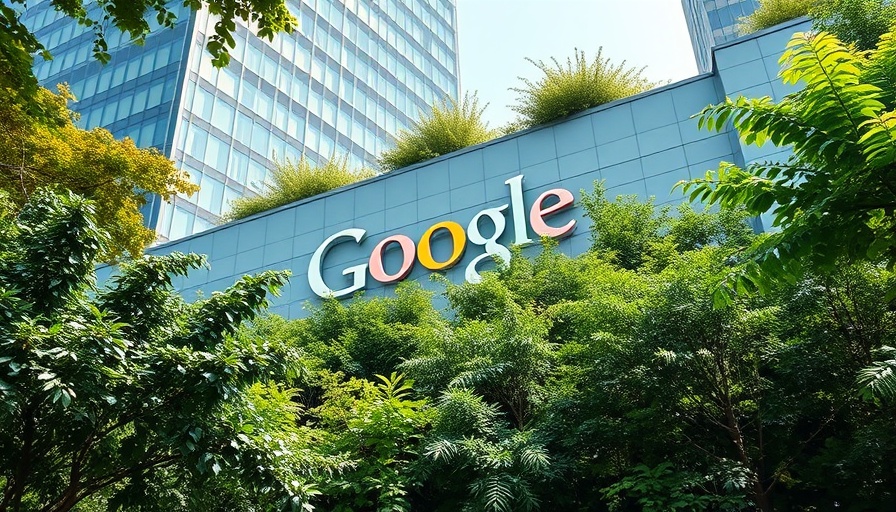
Google's logo on building with greenery, emphasizing Google's walled garden.

Understanding Google's Walled Garden: Ten Clicks and Counting

In an era where online engagement defines business success, a recent study highlights a striking trend in user behavior between Google and ChatGPT. As users navigate Google's search engine, they now make an impressive average of ten clicks before venturing off-site. This dramatic increase signifies not only a robust engagement strategy by Google but also a shift in how businesses must approach their digital marketing efforts.

The Shift in User Engagement Patterns

The report, stemming from a 13-month analysis by Momentic, indicates that Google has made strategic enhancements to its platform to ensure users remain engaged longer within its ecosystem. With features like enhanced search functionalities, including image results and knowledge panels, Google effectively encourages users to explore multiple pages without ever leaving its domain. This push towards an increased 'Pages per Visit' metric, which has risen to ten as of March, illustrates the technology giant's ability to customize search results, efficiently guiding users through a maze of information while keeping navigational clicks confined within its walls.

ChatGPT vs. Google: Complementary Traffic Sources

While Google may captivate users within its confines, ChatGPT emerges as a powerful alternative that drives users to external websites more effectively. On average, ChatGPT users click through to external sites 2.3 times per session compared to Google's 0.6 visits per user. This indicates that although ChatGPT’s audience is smaller, its traffic efficiency speaks volumes about the potential for integrating AI tools into marketing strategies. Businesses can no longer afford to rely solely on Google’s traffic. Embracing multiple channels, including AI platforms like ChatGPT, paves the way for a diversified digital marketing approach, ensuring that businesses attract the users they need to grow.

Strategies for Navigating Google's SERP Features

Given users' increased clicks on Google’s search engine results pages (SERPs), businesses must adapt their SEO strategies to remain relevant. With an emphasis on appearing in featured snippets and knowledge panels, businesses need to prioritize optimizing their content for visibility on Google's first page. The goal is not merely to capture clicks, but rather to position oneself as a trusted resource.

Actionable Insights: Enhancing Business Visibility

To harness the benefits of Google's engagement trends, small and medium-sized business owners should consider adopting the following actionable insights:

  • Optimize Google My Business: Ensure that your Google My Business listing is fully optimized with accurate information, engaging visuals, and frequent updates to enhance local search visibility.
  • Utilize Local SEO Tips: Leverage keywords relevant to your local customer base to improve your rankings on Google. High-quality backlinks from local partners can also enhance your site’s authority.
  • Create Engaging Content: Focus on high-quality, shareable content that not only captures attention but encourages multiple clicks on your website.

The Future of Search and AI Integration

The dynamic landscape of online search faces continuous evolution as more AI platforms gain traction, highlighting the importance of adapting digital marketing strategies. Emerging players like Perplexity and Grok are already demonstrating considerable growth potential. As they help users receive quicker answers, they could reshape how audiences interact with search engines. Businesses must not only focus on maintaining Google's support for their traffic but also embrace the opportunities presented by AI-driven search solutions.

Conclusion: The New Paradigm for Digital Marketing

For small business owners and marketing professionals seeking to capture their audience’s attention in a digital landscape dominated by Google, embracing a multifaceted strategy is imperative. Understanding the implications of engagement metrics and adjusting goals accordingly will pave the way for sustained growth and customer retention. As each interaction counts towards enhancing brand exposure, now is the time to recalibrate your digital marketing strategies.

Join the conversation today and explore how integrating AI platforms and optimizing your local SEO can drive business success. The landscape is changing, and adaptability could be your competitive advantage!

Local SEO

2 Views

0 Comments

Write A Comment

*
*
Please complete the captcha to submit your comment.
Related Posts All Posts
05.15.2026

Unpacking AI Visibility: Three Critical Layers for Businesses

Update Understanding AI Visibility: A Multi-Layered Approach In today's digital marketing landscape, the dynamics of brand visibility have shifted dramatically with the rise of artificial intelligence (AI). As business owners and marketing professionals in small to medium-sized enterprises (SMEs), it’s crucial to recognize that AI visibility isn’t merely one-dimensional; rather, it encompasses three distinct layers, each with specific failure modes and solutions. Adopting an understanding of these layers can enhance your digital marketing strategy and bolster your local presence. Layer One: The Retrieval Layer The first layer, known as the retrieval layer, focuses on how AI systems pull in relevant information to respond to user queries. This is where the concept of retrieval-augmented generation (RAG) comes into play. When a user poses a question, AI must access content from various sources to formulate a coherent answer. For any business striving for online visibility, ensuring that your content is crawlable and parseable is non-negotiable. Many teams mistakenly believe that amplifying content production is the sole remedy when brand visibility dips in AI responses. However, if the content isn’t optimized for retrieval by AI, this approach often leads to wasted resources without addressing the underlying issue. A true understanding of your content's retrieval capabilities is essential. Layer Two: The Relationship Layer Moving up, we encounter the relationship layer where knowledge graphs are pivotal. Here, major platforms like Google and Microsoft determine how brands are represented. A brand that exists as a well-defined entity within these knowledge graphs is more likely to receive positive recognition within AI systems. When considering your digital marketing strategy, it’s crucial to ensure your brand information is consistent across channels, from your website to social media profiles, and adheres to schema markup guidelines, a tactic that supports local SEO efforts. For small businesses, maintaining a robust digital identity that accurately reflects brand values and offerings can enhance customer trust and improve your standing in AI-driven contexts. Layer Three: The Presentation Layer The highest layer is the presentation layer, where the relationship and retrieval layers converge, shaping how users interact with AI-generated content. At this stage, brands not only need to be relevant but also appealing. This involves ensuring that the presentation of your brand is compelling within the AI's output. For example, AI models like ChatGPT shape responses based on conversational context, meaning that the way brands are portrayed can affect user perception. It's about creating narratives that resonate with audiences on a human level. In this context, establishing a robust social media engagement strategy can play a pivotal role. Posts that narrate your brand's story can strengthen your presence in this layer, leading to better recognition by AI systems. Conclusion: Bridging the Gap in AI Visibility Understanding the intricacies of AI visibility is essential for SMEs aiming to leverage digital marketing effectively. By recognizing that visibility is not a single issue to be solved with an influx of new content, but rather involves complex layers that require thoughtful strategies, brands can better position themselves to engage in the AI-driven marketplace. The application of local SEO tips, business visibility tactics, and optimized content strategies can lead to improved brand perception across multiple AI models. Embrace this multi-layered approach to harness the power of AI, ensuring your brand stands out and connects meaningfully with potential customers. Action Item: If you're committed to enhancing your brand's digital footprint, start by assessing how well your content retrieves and relates in the AI context. Utilize tools like Yoast AI Brand Insights to gain a comprehensive understanding of your visibility across various platforms. Understanding these dynamics is crucial for driving your digital transformation and achieving lasting growth.

05.14.2026

Is Your Business Ready? Prepare for a Future Without Search Traffic

Update Why Condé Nast Is Planning for a Future Without Search Traffic In a striking move for the digital marketing landscape, Condé Nast CEO Roger Lynch has advised teams at the media conglomerate to prepare their business models under the assumption that search traffic will be effectively zero. This bold directive stems from three consecutive years where internal budget forecasts underestimated actual drops in traffic driven by changes in search algorithms. Lynch’s statement reflects a growing concern that search engines, particularly Google, are fundamentally changing the way users interact with content online. Lynch noted a significant shift in the search results page: where users once encountered several organic links, they now face crowded pages filled with AI-generated overviews, sponsored links, and direct commerce options. The Declining Role of Organic Search Traffic According to Lynch, current trends suggest that search traffic, which once accounted for over half of total visits, is projected to fall to single-digit figures within a few years. This dwindling reliance on traditional search methods represents not just an internal challenge for Condé Nast, but also for the broader media landscape that has thrived on search referrals. Industry data emphasizes this shift. Chartbeat has reported a staggering 60% decline in search referrals for small publishers, highlighting an urgent need for strategic pivots. With user behavior evolving due to advancements like AI answer engines, many publishers are now finding themselves wrestling with a structure that no longer guarantees them visibility online. Adapting to the New Normal: The Barbell Effect The structural changes in search algorithms are giving rise to what Lynch terms the “Barbell Effect.” This concept describes how brands at either end of the spectrum are better positioned for success. Large authoritative brands like Vogue and niche publications like Pitchfork are thriving, while those caught in the middle struggle to find their footing. Lynch emphasizes that the key to success in this new digital ecosystem lies in either establishing a strong authority in a broad category or connecting deeply with a specific niche audience. Business insiders should heed this advice, as being too broad can be detrimental in a time where targeted engagement is critical for retaining customers. The Rise of Subscriptions as a Revenue Model As traditional traffic sources falter, Condé Nast has pivoted its focus toward growing its subscription base, with digital subscriptions noticing a revenue increase of 29% last year alone. This growth trajectory is not expected to slow down anytime soon, creating an avenue for brands to counteract the loss of revenue from declining search traffic. Consumers are displaying a willingness to pay for quality content, and retention rates have improved even with increased subscription prices. This model's resilience signals to small- and medium-sized businesses that subscription-based revenue can serve as a viable alternative to enhance business visibility and profitability. What This Means for Small Businesses and Digital Marketers For ambitious small and medium-sized business owners, the takeaway is clear: diversifying marketing strategies is imperative. Relying solely on search traffic for visibility is no longer a viable option. Creating robust customer loyalty programs, engaging content strategies, and effective use of social media will be essential. As algorithm updates and market dynamics shift, developing a well-rounded digital marketing strategy becomes crucial. Small businesses should emphasize local SEO tips and utilize platforms like Google My Business to enhance their digital footprint effectively. Additionally, engaging customers through email marketing and community outreach can foster brand loyalty and support retention, safeguarding against the downsides of diminishing search traffic. Embracing Change: Future-proofing Your Business The current trends in search engine performance and user engagement are clear calls-to-action for businesses across industries. Adaptation to the changing digital landscape requires agility and foresight, especially for small business owners who may lack the resources of larger corporations. To navigate this transformation, seeking practical tools and software for marketing automation, website optimization, and performance tracking can significantly enhance productivity and efficiency. By harnessing data effectively, businesses can formulate tailored strategies that address customer needs and expectations more effectively. Conclusion: Taking Action Toward Digital Transformation As the digital marketplace evolves, businesses must prioritize adaptability. Preparations for a future where search traffic wanes can provide a strategic advantage. Small- and medium-sized enterprises must invest in strengthening their brand identities, enhancing customer experiences, and exploring diverse revenue streams. Don’t wait for search traffic to diminish further. Begin implementing strategies that create robust business visibility now. For resources, marketing tools, and insights, explore more about digital marketing strategies today.

05.12.2026

3 Innovative Strategies Affiliate Managers and SEOs Must Adopt for Relevance

Update Staying Relevant in the Age of AI: Empowering Affiliate Managers and SEOs As the digital landscape evolves, many Affiliate Managers and SEOs face the pressing concern of maintaining relevance amid the rise of artificial intelligence. Rather than succumbing to fear, savvy professionals can harness AI's potential to enhance their roles. This article offers actionable strategies that empower these crucial marketing roles to thrive in a technology-driven environment. Aligning Strategies with Brand Benefits Understanding your audience is paramount. Affiliate marketing and SEO must work in tandem to articulate a brand's unique benefits to a nuanced target demographic. With the advent of AI-driven algorithms, it's essential for marketers to ensure that their messages resonate by leveraging insights derived from user data. By doing so, they can create personalized content that speaks directly to potential customers, thereby increasing engagement and conversion rates. This model encourages collaboration between SEOs and affiliate managers to refine marketing narratives that enhance brand visibility. Revitalizing Payment Models for Modern Markets The traditional affiliate payment structure, primarily influenced by sales commissions, is outdated. Today's environment requires a more flexible model that caters to long-term customer value rather than immediate sales metrics. Embracing new payment strategies—like performance-based payments based on customer retention or multi-channel engagement—creates opportunities for affiliate marketers to innovate. SEO practitioners can facilitate this transformation by analyzing customer data and identifying key performance indicators that truly reflect the value generated by affiliates. Utilizing AI for Enhanced Collaboration AI isn't merely a competitor; it's a collaborative partner. By integrating AI tools into their workflows, affiliate managers and SEOs can enhance their strategies. AI can assist in analyzing vast amounts of consumer data, streamlining the identification of trends, behaviors, and preferences. This shift allows both roles to focus more on strategic thinking and creative planning rather than manual data interpretation, leading to more effective campaigns. By leveraging AI technologies, affiliate and SEO managers can work together to create aligned, data-driven strategies that resonate with target audiences. The Importance of Technical SEO in Affiliate Marketing For an affiliate marketing strategy to be successful, technical SEO is essential. Each element—from site speed to mobile-friendliness—affects user experience and, ultimately, conversion rates. Marketers must ensure that their sites are optimized for both search engines and users to attract and retain traffic. Technical improvements, such as image optimization and secure hosting, should be prioritized, as they build trust and establish authority with both users and search algorithms. Building Brand Loyalty Through Engagement Customer retention strategies are vital for nurturing brand loyalty and securing long-term growth in a competitive market. Creating community engagement initiatives, such as loyalty programs and personalized content strategies, can deepen customer relationships. SEOs can incorporate user-generated content and testimonials, which not only enhance credibility but also foster a sense of community around the brand. This community-building approach adds layers of value that differentiate brands in an increasingly saturated market. Practical Insights for Marketing Automation Incorporating marketing automation tools simplifies various aspects of the affiliate marketing and SEO process. From email marketing campaigns to customer journey mapping, automation can significantly improve efficiency. Tools can help track customer interactions, optimize campaigns, and provide insights based on performance metrics, allowing marketers to focus on creative aspects while ensuring data-driven decisions Conclusion: Embrace Change and Thrive Embracing new technologies and strategies not only keeps affiliate managers and SEOs relevant but actively positions them as essential drivers of growth within their organizations. By aligning brand messaging with user data, revitalizing payment models, and utilizing AI effectively, these professionals can enhance their efficacy and relevance in today’s digital landscape. The reality is that with change comes opportunity; it’s time to harness this potential for sustained success. If you are ready to elevate your digital marketing efforts and want to know more about actionable strategies, consider exploring the latest tools and insights available. Take the next step toward enhancing your digital footprint today!

Terms of Service

Privacy Policy

Core Modal Title

Sorry, no results found

You Might Find These Articles Interesting

T
Please Check Your Email
We Will Be Following Up Shortly
*
*
*