


Biz Grow Media
update

Biz Grow Media

update
  • Home
  • Categories
    • Local SEO
    • Social Media
    • Customer Loyalty
    • Content Marketing
    • Branding
    • Digital Tools
    • Case Studies
November 05.2026
3 Minutes Read

Why Proterra's Downfall Warns Small Businesses About Branding

Win The Demo, Lose The Market: Why Breakthrough Technology Isn’t Enough

Proterra: A Cautionary Tale in Brand Strategy

In 2022, Proterra soared as a symbol of innovation, having delivered over 1,000 electric buses and solidified contracts with 135 transit agencies. Celebrated by the White House and propelled by a booming U.S. electric bus market, the company appeared to have it all. However, just a year later, Proterra filed for Chapter 11. This stark turn of events is a poignant reminder that innovative technology doesn’t guarantee a successful business model.

The Power of Breakthrough Technology

Proterra's electric buses delivered on efficiency and reduced environmental impact, fulfilling a rising demand among transit agencies. Yet, despite the technical superiority of their product, it wasn’t enough to ensure long-term viability. Contracts signed 12-18 months prior to production failed to account for rising costs, and competitive pricing undercut profit margins. Ultimately, before filing for bankruptcy, Proterra sold buses below production costs for five of six quarters, emphasizing that mere innovation is not sufficient for sustainable growth.

The Disconnect Between Technology and Business

Proterra's downfall reveals a critical distinction between having superior technology and establishing a competitive advantage. While engineers may focus on enhancing performance, decision-makers in organizations weigh additional factors: integration costs, long-term reliability, and the potential disruption caused by adopting new technologies. For Proterra, the reality that each transit agency wanted unique configurations became a bottleneck, stifling scalability.

Lessons for Small Businesses and Marketers

For small business owners and marketers, the Proterra saga underscores vital branding lessons. Building a captivating product is only the starting point; creating and nurturing a brand that resonates with diverse audiences is equally crucial. The hustle and bustle of entrepreneurship can lead firms to prioritize product excellence over strategic marketing and brand identity. However, brand storytelling and connecting with consumers can elevate offerings to a whole new level This requires integrating your product vision with customers' needs.

Developing a Customer-Centric Brand Strategy

To compete effectively, small businesses must learn from Proterra's mistakes. A customer-centric approach fosters loyalty and enhances brand identity. This involves understanding target audiences — whether they be technical evaluators, procurement offices, operational leaders, or strategic partners. Each group evaluates business offerings differently, and catering to these needs can lead to sustained success.

Consider how your product fits into customers’ existing frameworks. If, like Proterra, you find that unique configurations are a barrier, explore customization options or flexible offerings. Simplifying the integration process can be a game-changer, as seen in successful brands that prioritize user experience.

The Importance of Brand Storytelling

Brand storytelling is at the heart of effective marketing. It establishes a connection, invoking emotions that drive consumer choices. For entrepreneurs, this means communicating not just what your product does, but also why it matters and how it aligns with consumers' values. Sharing your journey, the challenges faced, and the mission behind your products can make your brand memorable.

Actionable Branding Strategies for Small Businesses

  • Know Your Audience: Gather insights to tailor communication strategies effectively and authentically.
  • Differentiate Your Offering: Highlight what sets your product apart, making it more than just a commodity.
  • Invest in Brand Identity: Create strong visual and emotional connections with your customers.
  • Engage on Social Media: Use platforms to tell your brand story and highlight your commitment to customer satisfaction.
  • Feedback Loop: Regularly gather customer feedback to adjust your marketing approach and product offerings.

Concluding Thoughts: Winning the Market

As Proterra’s story illustrates, breakthrough technology requires more than just engineering excellence. Building a resilient and trustworthy brand is essential for navigating the challenges of the marketplace. As you embark on your entrepreneurial journey, consider the lessons learned from Proterra. Maintain your focus not only on creating outstanding products but also on developing a compelling brand that resonates with your customers, ensuring they choose and trust your business over time.

For further insights into crafting a powerful brand identity, subscribe to our newsletter for practical tips and expert strategies.

Branding

1 Views

0 Comments

Write A Comment

*
*
Please complete the captcha to submit your comment.
Related Posts All Posts
11.03.2026

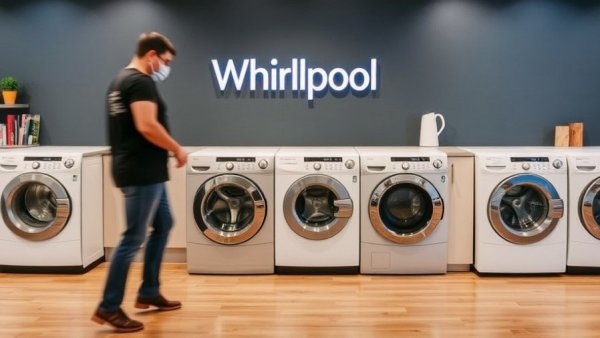
How Whirlpool's Branding Missteps Reveal Lessons for Small Businesses

Update Whirlpool's Downfall: A Case Study in Branding Mismanagement Whirlpool, once synonymous with household appliances, is now facing a hard truth: bigger does not mean better. As the global appliance giant reports disappointing earnings, it's clear that the company has fallen prey to a series of missteps that have crippled its brand identity. Recent headlines state that Whirlpool is heading for a full-year loss due to rising costs and plummeting sales. This begs the question—how did a household name descend into such turmoil? Understanding the Origin of Whirlpool's Challenges To grasp Whirlpool's current predicament, one must look back at a pivotal moment in 2017. Rather than innovating and upgrading its appliances, Whirlpool appealed to the U.S. government for protection against formidable competitors, mainly Samsung and LG. Instead of embracing competition as a catalyst for improvement, Whirlpool's management sought regulatory relief to shield itself from brands that were clearly winning over consumers. This preference to sidestep competition exemplifies a defeatist mindset—a stark contrast to the innovative spirit that propelled those competing brands to success. How Innovation from Competitors Shaped Market Dynamics The real nail in the coffin for Whirlpool was the emergence of international brands such as Samsung and LG, who have consistently prioritized innovation over sheer size. In 2007, at the KBIS show in Las Vegas, these companies unveiled cutting-edge appliances that directly addressed the needs of consumers. For instance, while Whirlpool was lamenting the competitive landscape, these innovators were streamlining laundry processes and optimizing product designs that resonated with modern lifestyles. Thus, while Whirlpool sat still, others propelled forward and transformed consumer expectations. The Cost of Complacency and the Perils of Size and Scale Strategy For Whirlpool, size became its sole strategy; while other brands focused on R&D and consumer engagement, Whirlpool sought to consolidate its power through acquisitions. This reliance on expanding its portfolio distracted it from essential upgrades to its core brands and customer satisfaction strategies. The consequence? A notable decline in customer loyalty and relevance. Although they own various brands like Maytag and Kitchen Aid, the lack of innovation made these offerings less appealing compared to the sleek, high-tech products from competitors. Lessons for Small Businesses: Embrace Innovation and Brand Identity Whirlpool's decline offers important lessons for small business owners and branding professionals alike. If you're wondering how to build or enhance your brand, consider these strategies: Prioritize Innovation: Don’t fall into the trap of complacency. Constantly seek ways to innovate your product or service offerings to meet consumer needs. Focus on Customer Engagement: Understand your target audience and engage them meaningfully—both online and offline. Build a Strong Brand Identity: Clearly articulate your brand’s mission and vision. This will help create stronger connections with your customers. Learn from Your Competitors: Analyze what brands like Samsung and LG are doing and consider how those strategies could apply to your own business. Actionable Insights for Rebranding When employing these lessons into actionable tips, small business owners can do the following: Conduct regular customer surveys to garner feedback on products and services. Invest in training for employees on customer service excellence. Leverage social media platforms for interactive campaigns that highlight customer stories. Utilize data analytics to tailor marketing strategies based on consumer behavior. In a market that fiercely rewards innovation and proactive engagement, brands like Whirlpool serve as cautionary tales of what happens when a company neglects these crucial elements. The downward spiral initiated by mismanagement and inaction should motivate small business owners to create and sustain dynamic and customer-focused branding strategies.

10.29.2026

Why AI Fails in Marketing: Organizational Issues Entrepreneurs Can’t Ignore

Update Understanding Why AI Implementation Often Fails in Marketing The integration of artificial intelligence (AI) in marketing strategy presents vast opportunities to boost productivity and enhance customer relationships. Yet, a significant percentage of these implementations fall short of their promises. While challenges like inadequate data and technology hurdles are often cited, the root cause may lie deeper—within the organizational structure of marketing. The Gap Between Accountability and Authority In many small businesses, marketing teams face a persistent issue: they are held accountable for key performance outcomes—like customer retention and revenue growth—yet they lack the decision-making authority necessary to drive these changes. This disconnection can cripple AI initiatives. For instance, while marketing can analyze customer data and suggest effective strategies, the ultimate authority often lies with other departments such as sales or finance. Without the power to implement changes, these insights risk falling into the void—staying as mere data points rather than actionable strategies. Coordination: The Missing Piece Beyond authority, AI implementation in marketing faces roadblocks due to insufficient cross-functional coordination. Most impactful AI applications require seamless collaboration between marketing, sales, and operations, each often operating with different objectives and systems. Take, for example, predictive analytics that identify potential customers. These insights become ineffective if product development cannot react swiftly to capitalize on identified opportunities. Moreover, personalized pricing suggestions from AI might lose their merit if finance or sales do not recognize their value, demonstrating that success hinges on joint alignment of goals across departments. Creating a Culture of Collaboration To enhance the value of AI in marketing, small business owners and marketers should cultivate a culture that fosters collaboration and open communication across teams. Regular meetings that encourage departments to share insights and strategies can improve understanding of each other’s roles, aligning everyone toward the same business goals. Actionable Insights for Small Business Owners Small business owners can adopt several strategies to navigate the organizational challenges associated with AI tools: Engage and Empower Your Marketing Team: Ensure that your marketing team has a voice in decisions affecting customer strategies. This empowerment can significantly enhance the effectiveness of AI-driven insights. Establish Cross-Departmental Synergy: Implement teams or committees that include members from marketing, finance, product development, and sales, tasked specifically with translating AI insights into strategic action. Regular Training and Skill Development: Encourage ongoing training for your teams regarding new AI tools and trends to ensure they leverage technology to its fullest. Future Trends and Predictions Looking ahead, small businesses must prioritize an integrated approach to AI. As technology evolves, so does the expectation that businesses adapt and create value through effective utilization of AI. Companies that break down silos and embrace alignment across functions will likely see not only improvements in their marketing efficacy but also a stronger overall brand presence in the marketplace. In conclusion, while AI holds incredible potential for marketing success, realizing that potential requires addressing the organizational hurdles that keep marketing from utilizing its full capabilities. By fostering collaboration and ensuring that marketing teams have the authority to make impactful decisions, small businesses can usher in a new era of effective personal branding strategies. Are you ready to take action and enhance your brand identity? Understanding organizational challenges and leveraging AI could redefine your marketing tactics and drive significant growth!

10.28.2026

Why Expert Branding is Essential for Small Business Success

Update Unpacking the New Era of Expert Branding The landscape of personal branding has shifted dramatically, and for many, it’s becoming clear that the traditional personal brand is outdated. In the video titled The New Era of 'Expert Branding' Has Just Begun, the underlying theme addresses a pivotal evolution for small and medium-sized business (SMB) owners. Specifically, it emphasizes the significance of creating an expert brand over a personal brand. This change is rooted in a deep understanding of who your audience is and how they actually seek solutions to their problems.In The New Era of 'Expert Branding' Has Just Begun, the discussion dives into the evolving landscape of branding for SMBs, exploring how to build trust and visibility effectively. What’s Wrong with Personal Branding? Personal branding has long been heralded as the go-to strategy for establishing authority and attracting clients. However, this once-prominent strategy is increasingly being viewed as a flashy facade with little substance. The video asserts that personal brands cater primarily to influencers seeking attention, relying heavily on visual aesthetics, social media trends, and surface-level interactions. Unfortunately, this method often leads to a polished image that fails to attract ideal clients, leaving many professionals feeling undervalued amidst a sea of followers that are merely dabblers. The Shift from Influencer to Expert The creator of the video shares their own experience, transitioning from a personal brand focused on visibility to an expert brand focused on trust. Their journey reveals a crucial insight: while personal brands are about being liked, expert brands focus on being trusted. For SMBs, this means embracing a deeper level of communication and understanding the intricacies of their clients’ needs—solving real problems requires a trustworthy presence. It is no longer enough to have a catchy slogan or a stylish logo; what really matters is how well you understand your audience. The Trust Factor: Why It Matters As SMB owners, your income is not derived from millions of casual viewers but rather from a small number of trusted clients who value your expertise. An expert brand harnesses this concept, focusing on narrow and specific solutions tailored to clients in need. Imagine a leadership coach; if they merely post generic quotes and vacation snapshots, they’ll attract likes but lose potential paying clients. In contrast, providing targeted advice on overcoming team challenges positions them as a real solution for audiences grappling with tangible obstacles. This positioning not only increases trust but helps build lasting relationships with clients. Building Content that Attracts the Right Clients Gone are the days of merely flashing a polished personal brand. Instead, creating content that answers specific questions drives engagement and ensures that prospective clients find you. The video highlights crucial questions to ask: Can clients find your material? Are the topics you discuss so specialized that they directly connect with your expertise? This position is vital because potential clients don't cruise social media for answers; they type specific queries into search engines, looking for solutions. By honing in on what clients are actively searching for, you significantly improve your visibility and authority in the marketplace. Why You Need to Embrace an Expert Brand Transitioning to an expert brand not only positions you for success but also enables you to command higher rates for your services. This concept is evidenced by the story of Dean, a realtor who built a deeply focused expert brand around properties in Whistler, British Columbia. Despite having just a small number of subscribers, Dean attracts a high volume of clients, illustrating the power of specialized content and targeted outreach. His expert knowledge not only differentiates him from other realtors but also positions him as an authority in his niche, making him the go-to person for buyers and investors. Leveraging Platforms for Expert Branding The burnished surface of personal branding pales in comparison to the depth of expert branding. The conclusion of the video proposes that platforms like YouTube are prime for nurturing an expert brand due to their inherent support for lengthy, substantive content that builds rapport while also addressing specific problems. Engaging in longer-form videos allows you to showcase your value and expertise effectively, leading to better client trust. Unlike short clips that barely skim the surface, a 10-minute video can dive deep into a subject, illustrating your knowledge while also teaching your audience something new. Important Local SEO Strategies for Experts This is where integrating local SEO strategies also comes in. It's essential for SMB owners to implement local SEO techniques, like optimizing Google My Business listings, which help improve local search visibility. By weaving your expert knowledge into localized content marketing strategies, you set the stage for attracting potential clients searching for solutions in your area. Localization not only enhances your visibility but also customizes the client experience, making it relevant to the unique challenges they face in your specific geographical region. Practical Takeaways for the Transition If you are a busy entrepreneur looking to shift from a personal brand to an expert brand, here are some actionable steps: 1) Identify your niche and define the specific problems you solve; 2) Develop content that answers these problems with depth—think tutorials, case studies, and how-to guides; 3) Utilize platforms that allow for long-form content, like YouTube, to build trust over time; and 4) Optimize your digital presence for local audiences by using SEO strategies tailored to your market. So, if you’re ready to make the leap from personal brand to expert brand, now is the time. Understanding the nuances of what it means to be found as an expert allows you to cultivate deeper connections and drive higher values for your services. Let's dive into this evolution together—grab my free expert brand launch kit to kick things off!

cropper
update
Biz Grow Media
cropper
update

Digital platform empowering small business owners, entrepreneurs, and marketers with actionable insights, strategies, and tools in digital marketing, branding, and business growth.

  • update
  • update
  • update
  • update
  • update
  • update
  • update
  • Privacy Policy
  • Terms of Use
  • Advertise
  • Contact Us
  • Menu 5
  • Menu 6
Biz Grow Media
UPDATE

ABOUT US

Biz Grow Media is your go-to platform for actionable insights, expert strategies, and tools to help small business owners, entrepreneurs, and marketers thrive. We specialize in delivering high-quality content on digital marketing, branding, customer loyalty, and business growth to empower your success.

© 2026 CompanyName All Rights Reserved. Address . Contact Us . Terms of Service . Privacy Policy

Terms of Service

Privacy Policy

Core Modal Title

Sorry, no results found

You Might Find These Articles Interesting

T
Please Check Your Email
We Will Be Following Up Shortly
*
*
*