


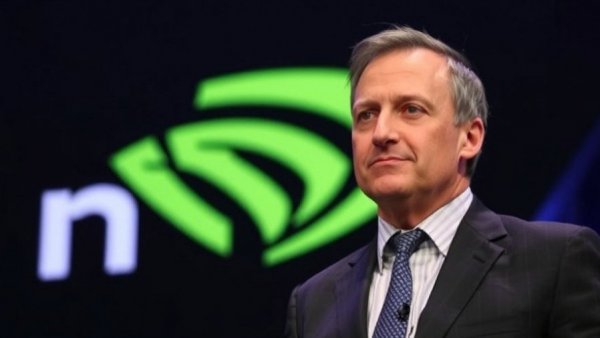
Nvidia's Credit Rating: Key Insights for SMB Owners
Nvidia is in a bit of a pickle! The company known for its powerful graphics processing units (GPUs) is facing a potential credit downgrade from S&P Global Ratings. But what does that mean for small to medium-sized business (SMB) owners like you, and why should you care?
Understanding Credit Ratings and Their Importance
First, let’s break down the concept of credit ratings. Think of a credit rating as a report card for companies. Just like you wouldn't want a tutor whose knowledge is questionable, lenders prefer companies with good ratings. Nvidia, which has been buzzing in the tech world for its impressive AI capabilities, currently holds an AA rating, indicating low credit risk. But why does this rating matter? A strong credit rating assures creditors that a company is likely to repay its debts, which in turn influences the terms under which it can borrow money.
Impact of a Potential Downgrade: What You Need to Know
Now, a downgrade from AA to AA- might not sound like a big deal, but it carries real consequences. For one, if Nvidia sees its rating slip, it could lead to higher borrowing costs. When interest rates for borrowing increase, the cost of paying back loans goes up too.
As it funds projects – such as its plans for a whopping $500 billion in AI infrastructure financing – lenders may ask for more collateral, raising costs further. This potential increase in costs could trigger a domino effect across various sectors, especially for companies that rely heavily on Nvidia’s technology.
This could create a ripple effect. If Nvidia’s borrowing becomes costlier, the companies that bank on Nvidia’s technology for their own operations might face increased costs, including you, the retailer or service manager relying on Nvidia’s advanced analytics tools. If costs rise for the technology or services you utilize, how will you manage? This situation plays into a fundamental marketing strategy: budgeting effectively while leveraging technology. Getting ahead of these changes can help your business stay competitive and agile in a fluctuating market.
The “Key Man” Risk: Meet Jensen Huang
Ah, the drama surrounding CEO Jensen Huang’s ouster and reinstatement adds fuel to the fire. Known for his visionary leadership, Huang has been deemed a ‘key man’ for Nvidia's success. Think of this as your favorite restaurant running without the chef—they might serve burgers, but you miss the flair of that secret sauce!
Key man risk refers to the danger a company faces when it becomes too reliant on a single individual for its future success. Without a solid succession plan, companies can find themselves in turmoil, facing challenges that could jeopardize their operations. Huang's return might reassure investors and employees alike, yet it showcases the need for robust governance structures and planning. In your own business, what might happen if your lead salesperson or key technician unexpectedly left? Are there trained employees ready to step into those roles, or would it take weeks to fill the gap?
Applying Lessons from Nvidia's Situation to Your Business
So what can you learn from Nvidia’s current governance woes? Well, consider your succession planning. Do you have a plan in case your team star departs? Ensuring continuity means putting systems in place that empower your staff. This could range from utilizing digital tools for local businesses to retain customer loyalty, to diversifying your team’s skill set.
Utilizing technology not only helps secure your business assets but also allows for a more flexible and responsive operation. Training and development programs can be beneficial too. Think about investing in mentorship or skill-building activities for your employees to prepare them for future challenges.
What Are the Best Digital Tools for SMBs?
Speaking of tools, let's not forget about the best marketing tools for SMBs! From social media management tools that help you connect with customers, to SEO tools for small businesses aiming to enhance online visibility, having a suite of effective digital resources is crucial. Think of them as the knives and forks for your business meal—without them, you’re just left with a plate of soggy noodles!
Investing in email marketing tools for SMBs can also be a great way to keep your customers engaged, ensuring they return for seconds. Personalizing your email campaigns can boost open rates substantially, which translates to better engagement and potentially higher sales. Analytics tools provide critical insights into your marketing strategies, allowing you to pivot in real time, much like adjusting that recipe when you realize you've gone overboard on spices!
Moreover, leveraging AI-driven platforms can help automate processes and enhance customer interactions, meaning you can focus on the creative and strategic aspects of your business.
Final Thoughts: Staying Ahead Amid Uncertainty
Whether or not Nvidia faces a credit rating downgrade, the situation offers valuable lessons for SMB owners like you. Embrace the unexpected, plan for shifts in your business landscape, and leverage the right digital tools. They can serve as your safety net in times of uncertainty.
In a world where technology rapidly evolves and economic climates shift, being proactive instead of reactive can give your business a significant advantage. It’s not just about weathering the storm, but sailing smoothly through it. So, are you ready to bolster your marketing strategy with the best digital tools? Don’t wait for the next big crisis to evaluate your plans; start today!






Write A Comment