


The Shifting Landscape of Content Management Systems
In the evolving world of content management systems (CMS), dramatic shifts are revolutionizing how businesses establish their online presence. As of November 2026, WordPress remains a heavyweight in the field, yet its market share has slipped below 60%, echoing the challenging landscape for many small to medium-sized businesses eager to enhance their digital marketing strategies. As online competition intensifies, understanding these trends is paramount for entrepreneurs looking to refine their digital footprint.
Understanding WordPress' Market Decline
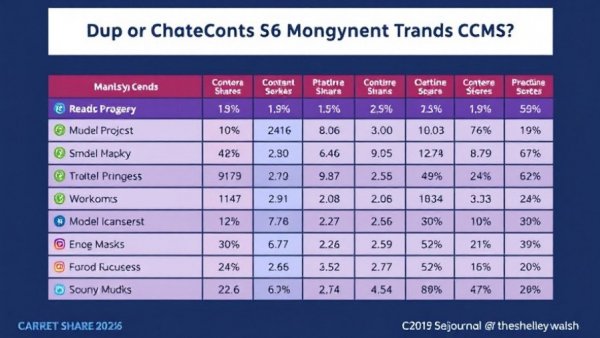
For over a decade, WordPress has been synonymous with content management, showcasing an impressive growth trajectory from 23.3% usage in January 2015 to 39.2% today. However, this ascent took a troubling turn since January 2022, when WordPress boasted a commanding 65.2% market share, now cascading down to 57.9%. This notable decline raises valid questions: Is there a systemic downturn in reliance on WordPress, or are competitors finally catching up? Furthermore, the recent data points to a possible shift in user preferences that could reshape the entire CMS landscape.
Less aggressive growth signals could indicate that the platform's hold on the market may see further erosion unless it adapts to emerging trends needing flexibility. Features such as easier integration with e-commerce solutions, enhanced user experience, and robust security measures are becoming indispensable. As data suggests, plugin compatibility and core updates remain practical pain points driving businesses to consider alternatives elsewhere. Also, the simplicity of switching platforms may encourage those seeking better performance to explore other options.
The Rise of Competitors: A New Era for E-commerce
While WordPress falters, rival platforms like Shopify are witnessing increased adoption and capturing significant attention. Shopify's market share has grown to 7.9%, with a usage of 5.4%, representing an upward trajectory that aligns with a resurgence of interest in direct-to-consumer e-commerce solutions. For entrepreneurs seeking to create a seamless online shopping experience, Shopify's features—including customizable storefronts and integrated payment options—might be more appealing than WordPress-based options, especially for those focused on sales conversion rates. This evolution underscores the necessity for platforms to innovate continually.
In response to this competitive environment, other platforms like Wix and Squarespace are also turning heads. Wix now powers 4.2% of websites surveyed and holds 6.2% of the known-CMS market. Its growth can be attributed to advancements in branding and platform capabilities, making it a viable alternative for businesses that require straightforward website development without compromising on essential functionalities. For small business owners, evaluating these platforms can unearth opportunities for improved brand visibility and engagement.
Market Research: The CMS Landscape
The latest reports show that approximately 67.7% of websites globally now utilize a CMS, translating to around 218.8 million sites. This expansive growth indicates that investing in the right platform not only improves online visibility but also significantly influences business growth metrics. Current CMS trends highlight that tools affecting customer experience—such as site optimization, local business marketing initiatives, and effective use of digital marketing tools—empower entrepreneurs in their digital journeys. Making informed decisions about CMS adoption can be game-changing for businesses aiming for sustained growth.
What Lies Ahead for CMS Adoption
As we look toward the future, the CMS arena appears on the brink of transformation, showcasing an opportunity for early adopters of new strategies to rethink their content approaches. Companies can leverage insights from digital marketing analytics, harnessing performance tracking metrics to deliver more targeted messages. A well-thought-out content creation strategy can significantly elevate brand awareness and positively impact customer engagement. Moreover, adapting to mobile-first design and ensuring fast loading times will be crucial as consumer habits continue to evolve.
Additionally, as businesses navigate through uncertain times, emphasizing a solid foundation of customer loyalty programs will be essential. This dual focus on acquiring new customers while ensuring existing ones remain satisfied will be a nuanced balancing act that innovative CMS platforms can support. By combining excellent user experience with effective communication strategies, companies can build relationships that foster lasting connections with their audience.
Actionable Insights for Small Businesses
For ambitious small to medium-sized business owners and marketers, embracing a digital transformation through a robust CMS can drive local search rankings and improve overall business efficiency. Fostering community engagement and employing effective brand development strategies will remain crucial as businesses explore new avenues for growth. Understanding local SEO strategies, for example, can enhance how potential customers discover businesses in their vicinity.
Staying abreast of digital marketing trends not only helps in identifying customer feedback mechanisms but also equips businesses to enhance their local advertising efforts. Moreover, creativity in content marketing can significantly fortify business visibility across social platforms. Strategies like leveraging user-generated content and actively engaging with followers can foster a loyal online community that champions a brand.
Wrapping Up the CMS Trends
The fluctuations in CMS market share signal a critical juncture for content management platforms. As WordPress grapples with competition from rising stars like Shopify and Wix, smaller businesses equipped with keen insights into customer behavior and analytics can tailor their approaches for maximal impact. Future success will hinge on a vibrant digital strategy that weaves together an optimized user experience, grounded brand identity, and robust local marketing initiatives.
Together, let's thrive in this dynamic environment and harness the changes in the CMS landscape that will empower business growth. By staying engaged with evolving trends, small and medium businesses can better position themselves to capitalize on opportunities that arise from these transitions, ensuring they remain relevant in an increasingly digital marketplace.







Write A Comment